





Rising heat, stronger storms, floods, drought, wildfire risk, and changing seasons are making climate-related updates more important for everyday people, families, businesses, and communities.
Climate change updates are no longer only for scientists or policy experts. They matter to anyone who checks the weather, plans travel, grows food, pays energy bills, runs a business, or wants to keep their family safe during extreme conditions.
Extreme weather has become one of the most searched and discussed global topics because people are seeing changes around them. Hotter summers, unusual rainfall, stronger storms, longer dry periods, flash floods, and wildfire alerts are affecting daily life in many regions.
The concern is not only about temperature. Climate pressure affects health, food supply, water availability, transport, homes, insurance costs, energy demand, and local economies. This is why readers want climate change updates that are simple, useful, and easy to understand.
This guide explains why extreme weather is getting more attention, what global warming means in real life, how people can prepare, and why climate action is becoming a major public conversation.
Quick Answer
Climate change is increasing the risk of extreme weather by warming the atmosphere and oceans. This can make heatwaves stronger, rainfall more intense, droughts longer, and storms more damaging. Staying informed helps people prepare for health, travel, home, and safety risks.
Extreme Heat
Hotter days can affect health, energy demand, outdoor work, travel, and food production.
Heavy Rain
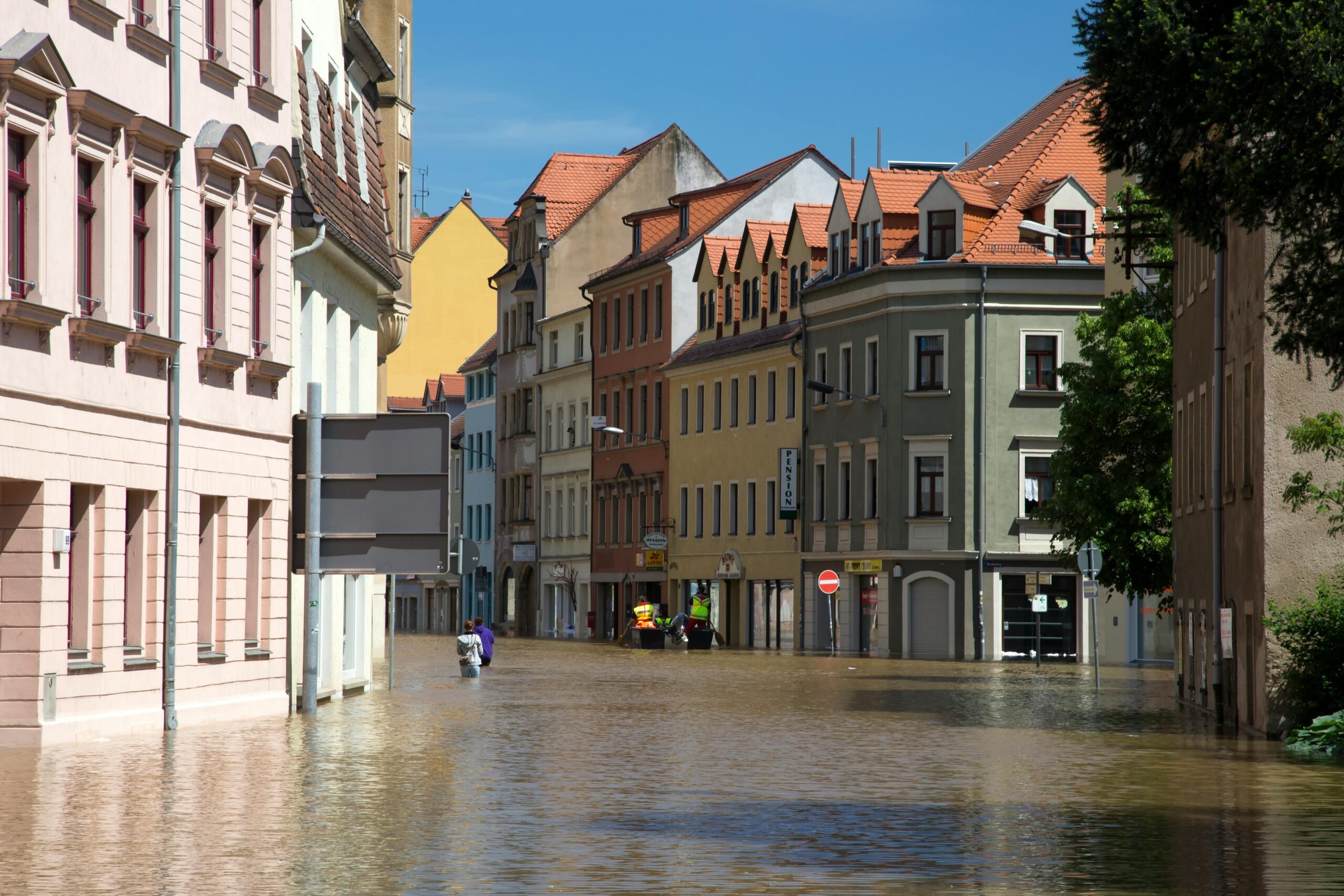
Intense rainfall can increase flood risks, traffic disruption, property damage, and water safety concerns.
Wildfire Risk
Dry conditions and high temperatures can raise wildfire danger in vulnerable regions.
Why Climate Change Updates Are Getting More Attention
Climate-related searches are rising because people are noticing more unusual weather patterns. A place that rarely had extreme heat may now face repeated heat alerts. A city that once expected steady rainfall may now deal with sudden flooding. Farmers, travellers, parents, workers, and business owners all need better information.
Climate change does not mean every day becomes hotter everywhere. It means the overall climate system is shifting, making certain weather extremes more likely or more intense. That is why the topic connects with weather updates, health warnings, natural disasters, clean energy, and sustainability.
Why Readers Care
- They want to understand unusual weather near them.
- They want safety tips for heat, floods, storms, and smoke.
- They want to know how climate affects food and energy prices.
- They want clear information without confusing scientific language.
- They want practical steps they can take at home and in daily life.
Extreme Weather Is Becoming Harder to Ignore
Extreme weather is one of the clearest reasons climate topics are now part of everyday conversation. Heatwaves, floods, storms, drought, and wildfire conditions can affect people quickly and directly.
A heatwave can increase health risks, especially for children, older people, outdoor workers, and people with existing health problems. Heavy rain can disrupt roads, damage homes, and make travel unsafe. Drought can affect water supply and food production. These events are not distant issues when they reach local communities.
Common Extreme Weather Risks
- Heat stress during very hot days
- Flash flooding after intense rainfall
- Power demand spikes during heatwaves
- Poor air quality from wildfire smoke
- Travel delays caused by storms or flooding
Global Warming Explained in Simple Words
Global warming means the planet’s average temperature is rising over time. This happens mainly because greenhouse gases trap heat in the atmosphere. When more heat is trapped, weather patterns can shift.
The important point is that global warming does not only affect temperature. It can influence rainfall, ocean conditions, ice melt, storm behaviour, drought risk, and the timing of seasons. That is why scientists connect global warming with many different climate impacts.
Simple Example
A warmer atmosphere can hold more moisture. In some situations, that can lead to heavier rainfall. In other regions, heat and low rainfall can make drought worse. The effects depend on location, season, and local weather patterns.
Heatwave Alerts Are Becoming More Important
Heatwaves are especially dangerous because people may underestimate them. A hot day can feel normal at first, but long exposure can cause serious health problems. Heat also affects sleep, productivity, transport systems, electricity demand, and outdoor activities.
People should pay attention to local heat alerts, drink enough water, avoid heavy outdoor activity during the hottest hours, check on vulnerable people, and keep indoor spaces as cool as possible.
Heat Safety Checklist
- Drink water regularly.
- Avoid strong midday sun when possible.
- Wear light, breathable clothing.
- Check local alerts before outdoor plans.
- Look after children, older people, and pets during high heat.
Flooding and Heavy Rain Need Better Preparation
Heavy rainfall can cause sudden problems even in places that are not usually seen as flood zones. Drainage systems can become overwhelmed, roads can become unsafe, and homes near low-lying areas may face water damage.
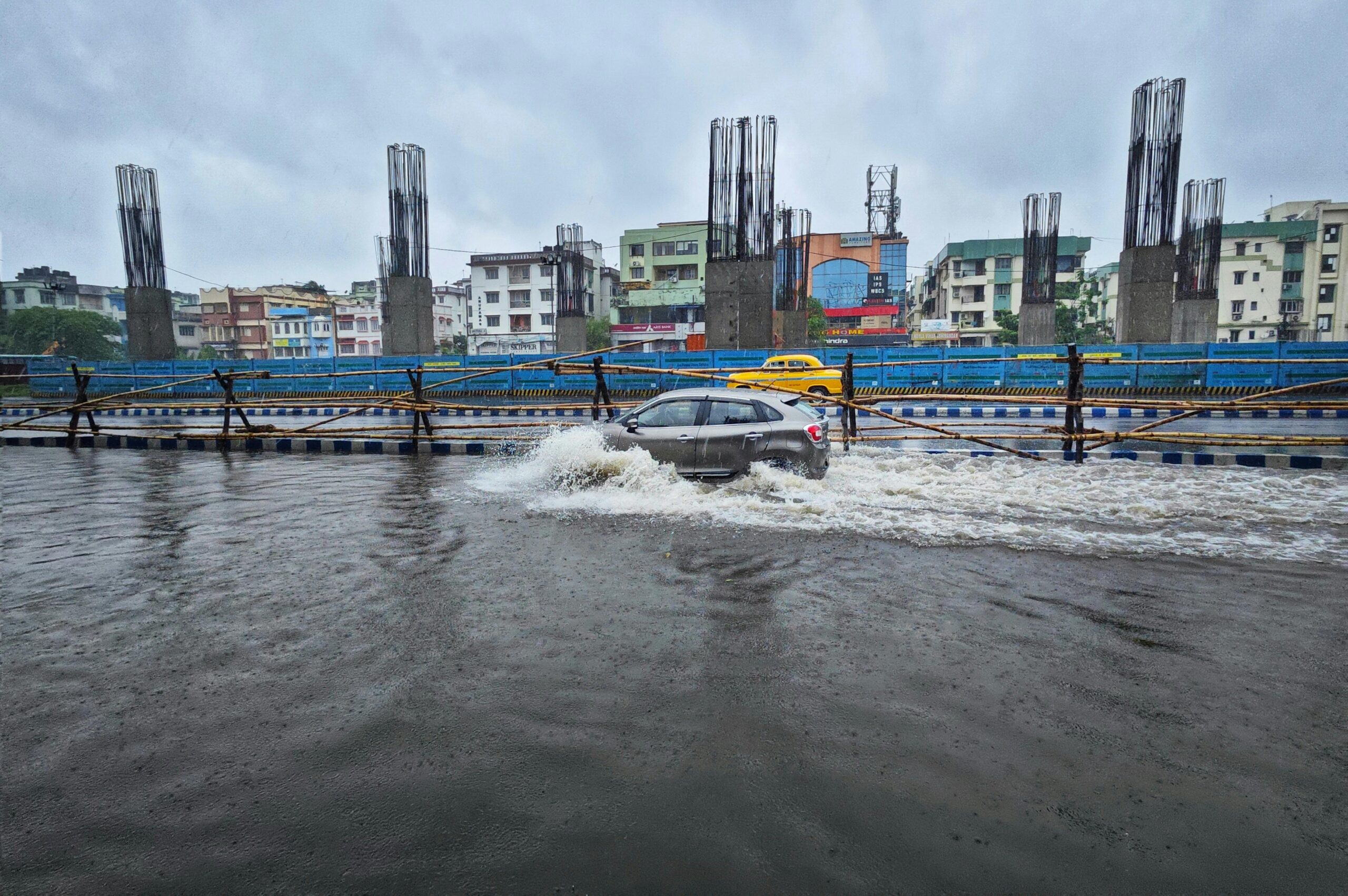
A practical flood plan can make a difference. People should know local risk areas, avoid driving through floodwater, keep important documents safe, and follow official weather alerts during severe conditions.
Flood Readiness Tips
- Know whether your area has flood risk.
- Keep important documents in a safe place.
- Avoid walking or driving through floodwater.
- Keep emergency contacts easily available.
- Follow official alerts during heavy rain.
Climate Pressure Can Affect Food and Energy Costs
Climate impacts can reach people through everyday costs. Drought, floods, heat stress, and storms can affect crops, supply chains, transport, and energy demand. When production or delivery becomes harder, prices may rise.
Energy use can also increase during heatwaves because more people need cooling. During cold or stormy conditions, heating and infrastructure demand may rise. This is why climate and cost-of-living conversations often overlap.
Clean Energy Is Part of the Long-Term Conversation
Clean energy is often discussed as part of climate action because it can reduce dependence on fuels that release high amounts of greenhouse gases. Solar, wind, battery storage, energy efficiency, and better grid systems are becoming important parts of long-term planning.
For readers, the practical side can be simple: use energy efficiently, choose better appliances when possible, reduce waste, and support cleaner options where they are available and affordable.
Everyday Sustainability Steps
- Use electricity more efficiently.
- Reduce food and water waste.
- Choose reusable items where practical.
- Walk, cycle, carpool, or use public transport when possible.
- Stay informed about local environment programs.
Natural Disasters Require Local Awareness
Natural disasters affect different regions in different ways. Some areas face wildfire risk. Others face hurricanes, floods, heatwaves, drought, or landslides. A useful climate update should always connect global patterns with local realities.
People should know the risks most relevant to their area and prepare accordingly. A household in a flood-prone area needs different planning from a household in a wildfire-prone region.
Clear Information Matters More Than Fear
Climate topics can feel overwhelming, but fear alone does not help people act. Clear information is more useful. Readers need to know what is happening, why it matters, and what practical steps they can take.
Good climate reporting should avoid panic and avoid false comfort. It should explain risks honestly while giving readers practical awareness.
What Readers Should Watch Next
Climate change updates will remain important because the topic connects with weather, health, food, water, energy, travel, insurance, and local safety. Readers should pay attention to both global reports and local alerts.
Topics to Follow
- Heatwave alerts and public health guidance
- Flood risk and rainfall patterns
- Wildfire and air quality updates
- Clean energy and sustainability policies
- Local emergency preparation advice
Final Thoughts
Climate change updates matter because they connect directly with everyday life. Extreme weather can affect health, homes, transport, food, energy, and community safety.
The best response is awareness, preparation, and practical action. By understanding the risks and following reliable local updates, people can make better choices for themselves, their families, and their communities.
Frequently Asked Questions
1. What are climate change updates?
Climate change updates explain major changes linked to warming temperatures, extreme weather, clean energy, natural disasters, public safety, and environment-related risks.
2. Why is extreme weather increasing?
A warmer climate can influence heat, rainfall, drought, storms, and ocean conditions. This can make some weather events stronger, longer, or more frequent in certain regions.
3. How can people prepare for heatwaves?
People can prepare by drinking water, avoiding strong heat during peak hours, keeping indoor spaces cool, checking on vulnerable people, and following local heat alerts.
4. How does climate affect food and energy costs?
Drought, floods, storms, and heat can affect farming, transport, supply chains, and energy demand. These changes may increase costs in some places.
5. What simple steps support sustainability?
Simple steps include saving energy, reducing waste, using water carefully, choosing reusable items, supporting clean options, and staying aware of local environment programs.
Stay Informed About Global Changes
Follow more updates on climate, weather, environment, public safety, sustainability, and the stories shaping daily life.


