





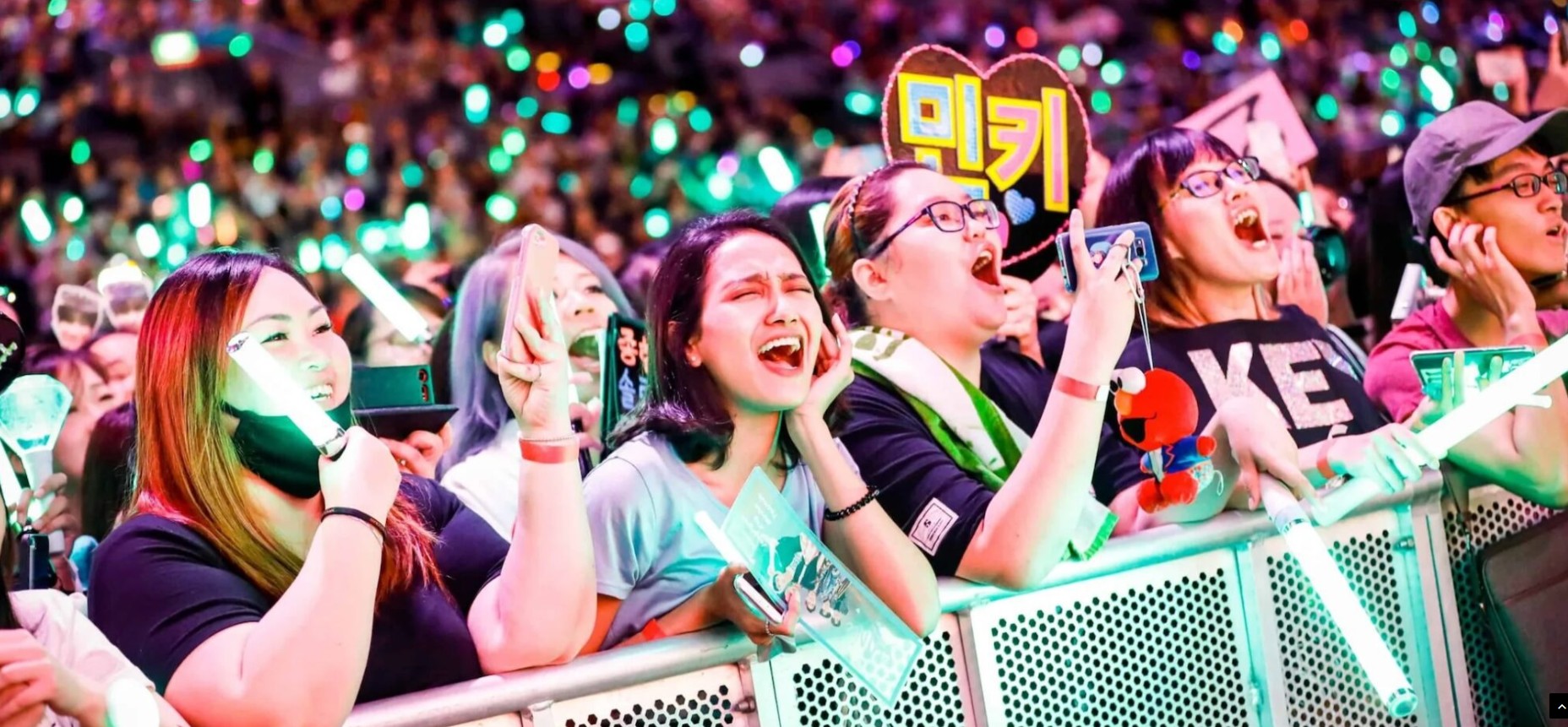
Quick Answer: Fandom culture created a vocabulary of pop culture references, shipping, headcanon, slow burn, OTP, canon vs fanon, that has migrated into mainstream speech, entertainment journalism, and even academic discourse. The words originated in fan communities on Tumblr, Archive of Our Own, and early internet forums. Most people using them now have no idea where they came from, and that invisibility is exactly how cultural absorption works.
Someone at a marketing agency used the phrase ‘slow burn campaign’ in a client deck last month. They meant a strategy that builds momentum gradually rather than front-loading impact. They had no idea they were quoting a fan fiction term for a romantic subplot that takes seasons to pay off. That’s fandom of culture fingerprints on general vocabulary, and it’s everywhere once you start looking.
Fandom culture is a type of participatory media practice in which dedicated audiences don’t just consume stories; they extend them, critique them, and produce derivative works that develop independent cultural weight. Henry Jenkins at USC named this ‘participatory culture’ in his 1992 book Textual Poachers, and what he described then has since scaled beyond anything he predicted.
The fandom communities that formed on LiveJournal in the early 2000s, moved to Tumblr around 2012, and spread across Reddit, Discord, and Twitter over the decade that followed didn’t just talk about media. They built systems of reference, shared terminology, interpretive frameworks, inside jokes, that function as a parallel cultural language running alongside mainstream pop culture discourse.
The Words That Escaped the Fandom
‘Shipping’, the verb form of ‘relationship,’ meaning to root for a romantic pairing between two characters, originated in X-Files fan communities in the 1990s. It now appears in entertainment journalism, celebrity gossip coverage, and casual conversation between people who’ve never participated in organized fandom at all.
‘Headcanon’, a personal interpretation of a character or story not confirmed by the original text, has been absorbed into general media discourse so thoroughly that film critics use it without attribution. ‘OTP’ (one true pair) has been used in mainstream magazine profiles. ‘Slow burn,’ ‘hurt/comfort, canon,’ and ‘fanon’ all started as fandom-specific technical terms and are now general cultural vocabulary.
Here’s what most people miss: these terms didn’t migrate because fandom got bigger. They migrated because they were describing things that mainstream cultural vocabulary didn’t have words for. ‘Headcanon’ fills a genuine gap, there’s no non-fandom word for the private interpretive framework someone builds around a story. The concept existed. The word didn’t. Fandom named it, and everyone else borrowed the name.
Why Fandom References Hit Different
Fandom culture differs from mainstream pop culture in that its references are generated by the audience rather than the creators. When someone quotes The Office, they’re citing the writers. When someone uses a fandom term, they’re citing a community. That’s a different kind of cultural authority, and it turns out to be a more durable one in some cases.
The Supernatural fandom, active from 2005 through the show’s 2020 finale, generated more sustained critical and creative output than most academic journals produce. The community around the show coined terms, developed shipping discourse, and created interpretive frameworks that outlasted the series itself, and influenced how subsequent fandoms organized. Fandom culture is used by audiences to extend and reinterpret media beyond what creators intended, which is exactly why it produces so much durable language.
A 2021 paper in Transformative Works and Cultures found that fan-created content around major franchises routinely generate more annual text than the source franchise itself. That’s not a niche phenomenon. That’s a parallel culture operating at a scale.
I’ve noticed that the most culturally durable pop culture references often come from fandom communities rather than from the original media properties. The phrases that stick are the ones that name something people were already feeling but couldn’t articulate, and fan communities, by virtue of investing so deeply in stories, are very good at finding those unnamed things.
The LGBTQ Plus Community’s Outsized Contribution
The LGBTQ+ fandom communities that built around shows like Xena: Warrior Princess, Buffy the Vampire Slayer, and later Glee and Supergirl didn’t just produce fan fiction. They developed entire critical vocabularies for reading queerness into subtext, ‘coding,’ ‘queerbaiting,’ ‘textual vs subtextual’ readings, that are now standard terms in mainstream entertainment journalism and media studies.
This matters for understanding how fandom culture works as a reference system. Communities that are underrepresented in mainstream media have the most incentive to develop rich interpretive frameworks for finding themselves in stories that weren’t written for them. The vocabulary they build is more precise because the stakes are higher. And that precision is exactly what makes it useful beyond the fandom context.
Frequently Asked Questions
Q: What is fandom culture exactly?
A: Fandom culture is the set of practices, communities, and creative outputs built by dedicated fans of media properties. It includes fan fiction, fan art, community discussion, shared interpretive frameworks, and a distinct vocabulary that has increasingly influenced mainstream media discourse.
Q: Where do fandom terms like ‘shipping’ and ‘headcanon’ come from?
A: ‘Shipping’ originated in X-Files fan communities in the 1990s. ‘Headcanon’ developed across multiple early internet fan forums in the 2000s. Both terms filled vocabulary gaps, describing practices and concepts that mainstream language didn’t have words for, which is why they were absorbed into general use.
Q: What is the difference between canon and fanon?
A: Canon refers to the officially established facts within a story’s source material, as determined by its creators. Fanon is a type of fan-generated interpretation that gains wide acceptance within a community without official confirmation. They differ in authority: canon comes from creators, fanon from community consensus.
Q: How has fandom culture influenced mainstream entertainment?
A: Fandom communities kept franchises like Star Trek alive through cancellations, demonstrated audience demand for LGBTQ+ representation before studios acknowledged it, and developed critical frameworks that now appear in mainstream journalism. Studios increasingly treat fandom engagement as market research.
Q: Which fandoms have had the biggest cultural impact?
A: The Star Trek, Doctor Who, Harry Potter, Supernatural, and Marvel fandoms have contributed the most vocabulary and interpretive frameworks to mainstream discourse. The LGBTQ+ fan communities around multiple 1990s and 2000s shows contributed critical vocabulary that is now standard in entertainment journalism and media studies.
The next time someone uses a phrase you recognize from a fan community, don’t correct them. The word is theirs now, which is exactly how language is supposed to work. Fandom culture didn’t ask for credit. It just kept naming things until everyone else caught up.

